Spin, Stream, Cash In: How Loop Game Streamers Built Empires Out of Repetition

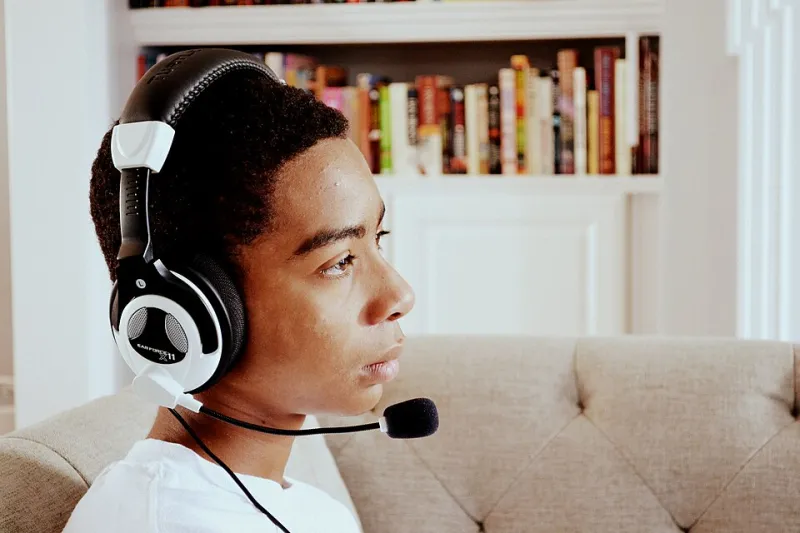
Photo: gaming streamer setup dual monitors live streaming, via i.pinimg.com
There's something almost hypnotic about watching someone play a loop game. The rhythm of it — the runs, the resets, the incremental improvements — pulls you in even when you're not the one holding the controller. That quality hasn't gone unnoticed by content creators. Over the past several years, a specific breed of streamer has cracked the code on turning repetitive gameplay into a surprisingly lucrative business model, and the numbers behind their success are hard to ignore.
The Watchability Paradox
Here's the thing that stumps people when they first hear it: how is watching someone play the same game over and over again entertaining? It seems like it shouldn't work. But loop games have a built-in dramatic structure that most linear games actually lack. Every run is a fresh attempt. Every death is a reset. Every session is a new opportunity for something unexpected to happen — a wild combo, a close call, a world-record pace.
Streamers who specialize in games like Hades, Dead Cells, Vampire Survivors, or even older roguelikes understand that their audience isn't there just to see the game. They're there to watch growth. The loop becomes a narrative engine. Viewers tune in not knowing whether tonight's the night the streamer finally clears that brutal final boss or pulls off the perfect build. That suspense is real, and it keeps chat moving.
Psychologists call this variable ratio reinforcement — the same mechanism behind slot machines and social media scrolling. For streamers, the loop game is essentially a live-action version of that dopamine cycle, and their audience is along for the ride.
Building the Business Layer
Watchability is one thing. Turning it into income is another. The streamers who've made serious money off loop-based content have layered several revenue streams on top of that core engagement.
Subscriptions and bits are the obvious starting point. Twitch subscribers and YouTube channel members provide a reliable baseline. But what makes loop game streamers particularly effective at converting viewers into paying supporters is the sense of community investment. When a streamer is 200 hours deep into mastering Slay the Spire or grinding a specific build in Risk of Rain 2, viewers feel like stakeholders. They've watched the journey. Subscribing feels less like a transaction and more like backing someone they're rooting for.
Sponsorships follow naturally. Gaming peripheral brands, VPN services, and game publishers have all figured out that loop game streamers offer something valuable: a highly engaged, long-session audience. A viewer who sticks around for a three-hour roguelike stream isn't a passive consumer — they're invested. That makes them a better advertising target than someone watching a five-minute highlight clip.
Game publisher deals are where things get really interesting. Indie studios in particular have discovered that seeding their loop-based titles to the right streamers can be more effective than traditional marketing. A single viral run in a game like Balatro or Into the Breach can move thousands of units overnight. Some creators have formalized these relationships into paid launch partnerships, essentially acting as living billboards who also happen to genuinely love what they're playing.
The Community Flywheel
One of the most underrated parts of the loop game streaming economy is how naturally these games generate community content beyond the stream itself. Viewers clip the best moments. They debate build strategies in Discord servers. They create tier lists, meme formats, and challenge runs. The game's loop mechanic gives the community an endless supply of raw material to work with.
Streamers who understand this lean into it hard. They host community challenges. They react to viewer-submitted runs. They turn their chat into a collaborative think tank, crowdsourcing strategies in real time. This transforms the stream from a passive viewing experience into something closer to a team sport — and that loyalty pays dividends when it comes time to sell merch, launch a Patreon, or promote a new game.
Why This Model Has Legs
Linear game streams have a ceiling. Eventually you finish the story, roll credits, and move on. Loop games don't have that problem. The content well is effectively bottomless, which means a streamer who finds the right title can build years of programming around a single game. That long-term consistency is gold for audience retention and brand building.
It also makes sponsorship pitches easier. A streamer who's been playing Hades for 18 months and still pulling strong viewership numbers has a compelling story to tell advertisers: this audience is loyal, they're engaged, and they keep coming back. That's a harder case to make when you're jumping between whatever new release dropped last week.
The loop, it turns out, isn't just a game mechanic. For the smartest creators in this space, it's a business strategy — and one that's paying off in a big way. At LoopPlay, we've always believed that the best games are the ones you can't stop playing. Turns out the best streams are the ones you can't stop watching, for exactly the same reasons.