Your Day, Your Loop: The Right Game for Every Spare Moment You've Got

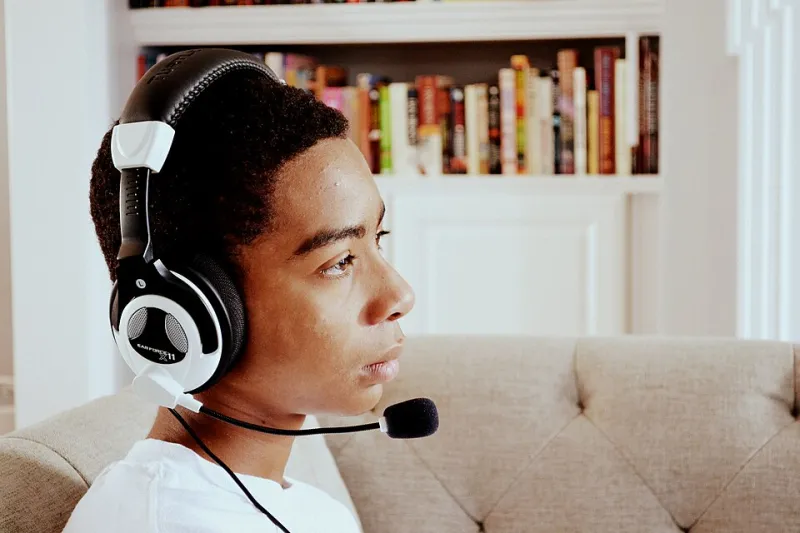
Photo: Pedro Ribeiro Simões from Lisboa, Portugal, CC BY 2.0, via Wikimedia Commons
Let's be real — most of us aren't carving out dedicated gaming hours anymore. Life in the US in 2024 looks more like stolen moments: the gap while your coffee brews, the lunch break that's actually 22 minutes, the half-hour before sleep when your brain refuses to fully shut off. The good news? Loop games were practically invented for exactly this kind of fragmented schedule.
The key is matching the game's loop length to the time you actually have. Play a game with a 45-minute loop during a 10-minute break and you'll spend most of your day feeling frustrated and interrupted. Play a snappy 3-minute loop game during that same break and you'll feel genuinely refreshed. It's about fit, not just quality.
Here's how to think about your day — and which games belong in each slot.
The 5-Minute Window: Between Meetings, On the Bus, In Line
This is the hardest slot to fill well. Five minutes sounds like nothing, but it's actually plenty of time for a satisfying loop if the game is designed right. What you need: instant start, zero setup, a loop that completes cleanly and leaves you feeling like you accomplished something.
Alto's Odyssey is the gold standard here. You launch, you snowboard (or sandboard), you pull off a few tricks, you crash or complete a challenge. The whole loop from tap-to-play to a natural stopping point can fit inside four minutes, and the gorgeous visuals make even a short session feel like a mini-vacation. Perfect for a subway ride or a waiting room.
Threes! (and its spiritual successors like 2048) also shine in this slot. Each decision takes seconds, progress is visible, and you can stop mid-game without losing anything meaningful. The loop here is more of a slow burn — one game might take 8 minutes — but you can put it down at any point and pick it back up.
Wordle (yes, it counts) is the ultimate 5-minute loop. One puzzle per day, clean start, clean finish. The loop is so well-defined that it's almost meditative.
Pro tip for this slot: Turn off notifications before you start. Nothing kills a tight loop faster than an email banner pulling you out of the zone.
The 15-to-30-Minute Lunch Break Loop
This is the sweet spot for loop gaming, honestly. Thirty minutes is enough time to get genuinely absorbed, feel meaningful progress, and still come back to your afternoon without that "I shouldn't have done that" guilt spiral.
Vampire Survivors was practically built for this window. A single run takes anywhere from 15 to 30 minutes depending on how far you push it, and every run ends definitively — you die, you see your stats, you unlock something new, you feel satisfied. The loop is complete. You can close the app and go back to your desk without feeling like you abandoned something.
Balatro hits this window perfectly too. A poker-roguelite that's been one of the most talked-about indie games of 2024, its runs are chunky enough to feel substantial but don't demand a full afternoon. The strategic layer keeps your brain engaged in a way that actually feels productive during a mental reset.
For mobile players, Merge Mansion works well here because you can play in bursts — check in, make some merges, set some things in motion, and step away. The loop accommodates interruption better than most.
The Hour Before Bed: Wind Down Without Wiring Up
This is the trickiest slot to navigate. You want something engaging enough to be entertaining but not so stimulating that you're still thinking about it at 2 a.m. The wrong game here can absolutely wreck your sleep. The right one feels like a warm-down lap.
Stardew Valley in short-session mode is genuinely wonderful for this. Set yourself a rule: one in-game day per real-life session. An in-game day runs about 14 minutes. Do two or three, tend your farm, chat with a villager, then save and close. The loop is pastoral and unhurried — it's designed to feel cozy rather than urgent.
Loop Hero is another excellent bedtime loop, especially if you're the type who likes to feel clever before sleeping. You lay down cards, your hero walks the loop automatically, and you watch the system unfold. It's strategic but not stressful. The loop length is adjustable based on how long you want to play.
If you're a puzzle person, Monument Valley or its sequel are ideal here. The loops are short (one level at a time), visually soothing, and the satisfaction of solving each stage feels like a small win that sends you to sleep on a positive note rather than a cliffhanger.
What to avoid before bed: Anything with PvP, anything with energy timers that punish you for stopping, and anything with escalating difficulty that spikes your stress. Clash Royale at 11 p.m. is a recipe for lying awake replaying your losses.
The Weekend Deep Dive: When You Actually Have an Hour-Plus
Okay, sometimes the stars align. The kids are occupied, the chores are done, and you have a genuine block of time. This is when you go for the loops with real depth.
Hades is the obvious recommendation here. A full run takes 45 minutes to an hour, and the narrative unfolds across multiple runs in a way that rewards extended play sessions. The loop is tight, the action is satisfying, and the story gives you a reason to care about each run beyond just the mechanical pleasure.
Dead Cells and Slay the Spire both belong in this category too — roguelites where the loop depth only fully reveals itself after you've put in meaningful time.
The Bottom Line
The best loop game isn't the one with the highest rating or the most downloads. It's the one that fits the time you actually have. Build your rotation around your real schedule rather than the other way around, and you'll find that gaming stops feeling like a guilty indulgence and starts feeling like exactly what it should be — a genuinely fun part of your day, sized just right.