The Calendar Is Playing You: How Daily Streaks Hijacked the Quick Session
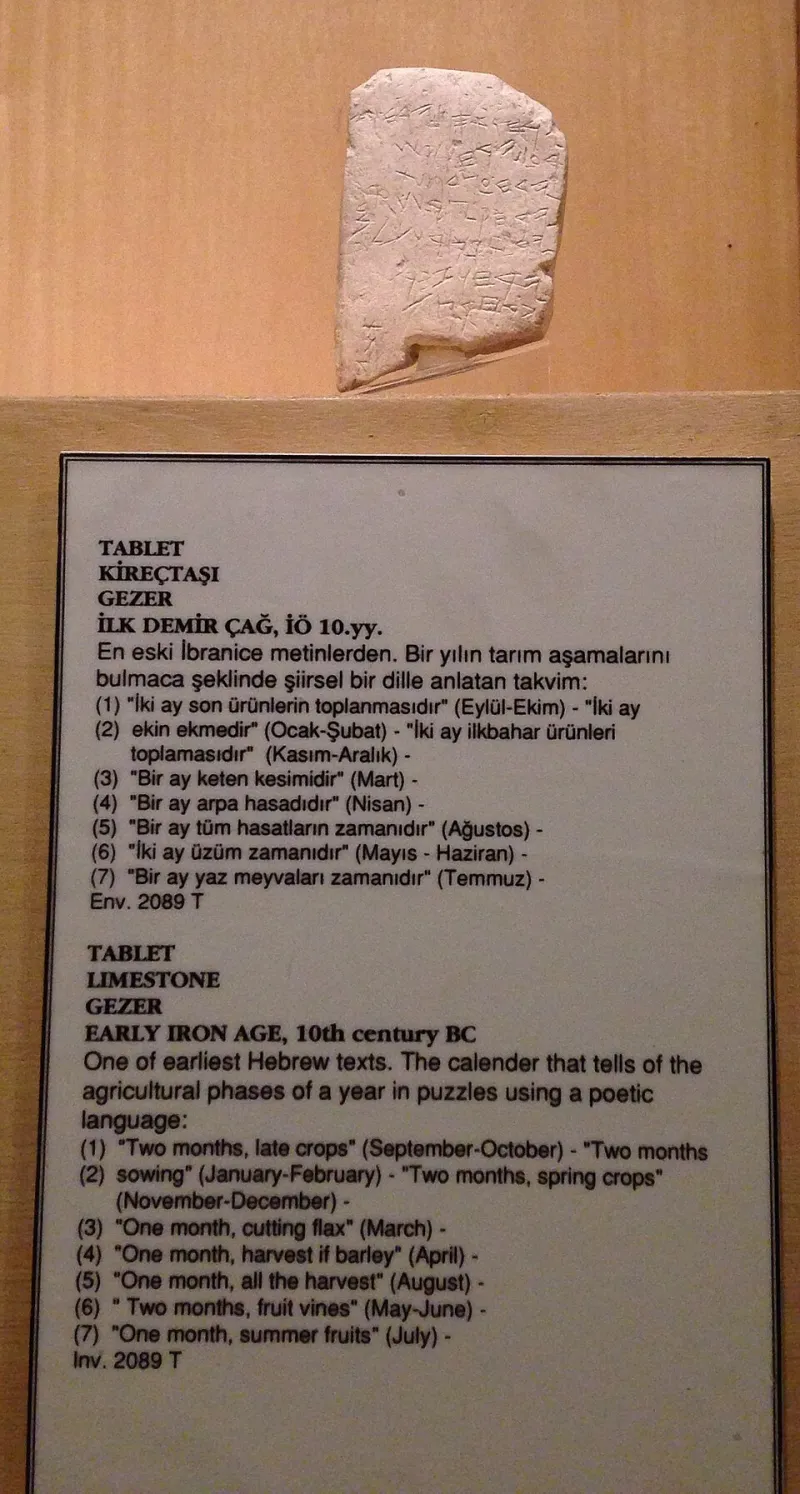
Photo: oncenawhile, CC0, via Wikimedia Commons
A daily streak looks harmless. You open a loop game, play one short run, and claim a reward. Do it again tomorrow. The game keeps count. After a week, the count becomes a little trophy. After a month, it becomes a reason to play even when you do not really want to.
That is the trade. Streaks are one of the most effective retention tools in casual games, and in 2026 they are everywhere. They are also one of the easiest ways for a quick session to turn into a quiet obligation.
This is not a argument against routine. A short daily loop can be a genuinely good habit. The problem is that streaks often start as a fun ritual and end as a calendar with consequences.
Why the Streak Works
The psychology is simple and well known. People dislike losing things they already have. A streak turns progress into something you can lose, and loss aversion does the rest. Missing a day does not just mean you did not play. It means you broke something.
Loop games are especially good at this because the sessions are short. A three-minute run is easy to justify. It fits between meetings, before bed, or while waiting for dinner. The low time cost makes the streak feel reasonable. You are not giving up an evening. You are just keeping the number alive.
Then the number gets bigger. A seven-day streak is nice. A thirty-day streak feels like an identity. A hundred-day streak feels like a commitment you cannot walk away from without a story.
Routine or Obligation?
The line between a fun routine and a guilt-driven streak is not always obvious from the inside. Both can feel like discipline. Both can look like loyalty. The difference is what happens when you miss a day.
If you miss a day and feel a little annoyed, that is normal. If you miss a day and feel genuine dread, or start rearranging your evening to protect a number, the streak has probably stopped being a game. It has become a small piece of admin that happens to have a leaderboard.
US players are not immune to this. The culture here already rewards consistency and visible progress. A streak fits neatly into that mindset. It looks like proof that you are keeping up. But a loop game is not a fitness plan or a work project. It is supposed to be a break.
The Calendar Becomes the Boss
Daily rewards are designed to pull you back at a specific time. That is not sinister on its own. Games need players to return. But when the reward is tied to a calendar instead of a mood, the game starts making decisions for you.
You might notice it in small ways. You play a run you do not enjoy because you do not want to lose the streak. You skip a different game because you need to protect the streak. You feel relief when the daily task is done, not because it was fun, but because it is finished.
That is the moment the calendar is playing you. The loop is still there, but the reason has changed. You are not chasing a high score or a better run. You are chasing a checkmark.
When Streaks Actually Work
The case for streaks is not worthless. A gentle daily prompt can help a player build a habit around a game they genuinely like. It can create a small, reliable moment of focus in a messy day. It can also make a casual game feel like part of a routine, which is exactly what some players want.
The key is whether the streak serves the play or replaces it. A good streak says: here is a reason to come back if you want one. A bad streak says: you will lose something if you do not. The first feels like an invitation. The second feels like a bill.
Some developers are getting better at this. They offer streak freezes, flexible rewards, or catch-up options that soften the punishment. That helps, but it does not change the underlying design. A safety net is still a net.
A Quick Check for US Players
If you want to know whether a streak is running your week, ask a few plain questions. Do you play when you are tired, bored, or actively unhappy? Do you feel relieved when the daily run is over? Would you keep playing if the counter disappeared tomorrow? Have you skipped something you actually wanted to do to protect the number?
One yes is not a crisis. A pattern of yeses is worth noticing. The goal is not to quit every streak on principle. The goal is to make sure the game is still giving you something back.
Taking the Calendar Back
The easiest fix is often a short break. Skip a day on purpose. See what happens. If the game still feels fun the next time you open it, the streak was probably a bonus. If the thought of opening it makes you tired, the streak was probably doing more work than the game.
Loop games are built for repetition, and repetition can be comforting. But comfort and compulsion are not the same thing. A daily streak should be a small nudge, not a second job with a nicer color palette.
In 2026, the calendar is everywhere. The best players are the ones who know when to ignore it.